The Importance of First Aid Training for Construction Workers: A Critical Safety Investment
The construction industry remains one of the most hazardous sectors locally, nationally, and globally. With workers facing daily risks from falls, equipment malfunctions, electrical hazards, and structural collapses, it is a high-risk environment. The difference between life and death often comes down to the immediate response in those critical first minutes following an accident. As we advance into 2025 and look into 2026, the integration of comprehensive first aid training, reinforced through structured toolbox talks, has become not just beneficial but essential for modern construction operations.
Construction Safety Risks and Injury Statistics
In Massachusetts, there were approximately 57,900 nonfatal workplace injuries and illnesses in the private sector in 2021—translating to nearly 160 incidents per day. A significant portion of these incidents involved construction workers. The recordable injury rate for Massachusetts construction workers was 2.8 per 100 full-time employees, higher than the national average of 2.5.
Between 2021 and 2022, Massachusetts recorded 39 fatal construction-related injuries, yielding a fatality rate of 8.3 per 100,000 workers, nearly double the statewide average across all industries.
These numbers highlight the importance of a trained first-response team. When accidents occur, particularly on remote or high-risk sites, trained workers make a measurable difference in outcomes.

OSHA Requirements for First Aid in Construction
OSHA’s General Duty Clause (Section 5(a)(1) mandates that employers provide a workplace “free from recognized hazards that are likely to cause death or serious physical harm.” This includes ensuring prompt medical care in case of emergencies.
Per OSHA Standard 29 CFR 1910.151(b):
“In the absence of an infirmary, clinic, or hospital in near proximity… a person or persons shall be adequately trained to render first aid. Adequate first aid supplies shall be readily available.”
For construction companies, this means:
* Having at least one trained responder on each site
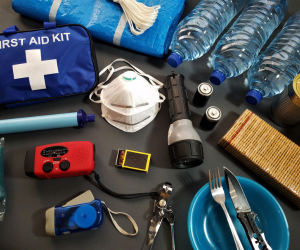
* Maintaining well-stocked first aid kits and accessible AED devices
* Ensuring CPR and AED training are included as part of the first aid program
Non-compliance can lead not only to increased injury severity but also to OSHA penalties and fines.
What Comprehensive First Aid Training Includes
Modern construction first aid training has evolved far beyond simple bandage application and basic wound care. There are many First Aid courses available which cover a wider range of topics. Look for ones that focus on work injuries and emergencies, such as those that may be encountered on a construction site, addressing the specific hazards and challenges unique to construction environments. Make sure that the class covers Cardio-pulmonary resuscitation (CPR) and automated external defibrillator (AED) which teach proper techniques for emergency situations appropriate for construction site workers.
Although on-line training is an option, there are compelling reasons for in-person/hands-on training.
- Realistic Practice with Equipment
Use of AED trainers and first aid supplies like bandages, EpiPens, and splints and practice using mannequins (adult, child, infant) for CPR compressions and rescue breaths, builds muscle memory critical for high-stress situations. - Immediate Instructor Feedback
Instructors can correct improper techniques instantly—something online courses can’t replicate. Personalized tips to improve CPR quality, hand placement, depth of compressions, etc. - Team-Based Scenario Training
Hands-on courses often simulate real-life emergency situations. Teaching teamwork, communication, and role assignment in high-pressure environments—especially important in workplace settings. - Compliance with Workplace/Industry Requirements
Many employers, especially in healthcare, construction, and manufacturing, require in-person certification for liability and insurance reasons. Some regulatory bodies (e.g., OSHA, AHA, Red Cross) may not accept online-only certification for high-risk industries.
Toolbox Talks: Reinforcing First Aid Preparedness
Effective toolbox talks addressing first aid preparedness should be conducted regularly, ideally weekly or before beginning high-risk activities. These sessions create opportunities to discuss recent near-misses, review emergency procedures, and practice first aid techniques. The power of toolbox talks lies in their ability to maintain safety awareness as a daily priority rather than an occasional consideration. When first aid training is regularly reinforced through these brief, focused discussions, workers retain knowledge better and remain mentally prepared to respond effectively in emergencies. Topics should include location and proper use of first aid equipment, identification of trained first aiders on the crew, emergency contact procedures, and site-specific hazards that may require specialized first aid responses.
Safety managers should maintain libraries of relevant toolbox talk topics and regularly update content based on changing site conditions, seasonal hazards, and lessons learned from incidents or near-misses.
Industry Trends in Safety Training
Training organizations report an 18% increase in demand for safety training, with classes selling out every week, indicating growing recognition of the value of comprehensive safety education. This increased demand reflects industry acknowledgment that proper training investments yield significant returns in reduced injuries, lower insurance costs, and improved project efficiency.
The Business Case for First Aid Training
Companies implementing comprehensive first aid training programs supported by regular toolbox talks report measurable improvements in safety outcomes. Response times to emergencies decrease significantly when workers are properly trained and supported by advanced monitoring systems. The severity of injuries often reduces when immediate, appropriate first aid is provided by trained personnel.
The financial benefits extend beyond direct injury cost reductions. Projects experience fewer delays due to accidents, workers demonstrate higher morale and confidence when they know proper safety measures are in place, and companies gain competitive advantages when bidding on projects that require demonstrated safety excellence.
How to Successfully Implement a Training Program
Successful implementation of comprehensive first aid training programs requires strategic planning and commitment from all organizational levels. Companies should begin by conducting thorough assessments of their specific safety needs, considering factors such as project types, site locations, crew sizes, and historical incident patterns.
Training programs should be tailored to address site-specific risks while maintaining compliance with relevant safety regulations. First aid training isn’t a one-off requirement, and workers should regularly take first aid refresher courses to maintain competency and stay current with evolving best practices.
Building a Culture of Safety in Construction
The integration of comprehensive first aid training and structured toolbox talks represents a fundamental shift toward proactive, technology-enhanced construction safety. This holistic approach recognizes that worker safety requires continuous attention, ongoing education, and leveraging of available technologies to create the safest possible work environments.
Construction companies that embrace these integrated approaches position themselves as industry leaders while protecting their most valuable assets—their workers. The investment in comprehensive safety programs yields returns through reduced injuries, lower costs, improved productivity, and enhanced reputations that attract top talent and premium projects.
By prioritizing first aid training, embracing technological innovations, and maintaining consistent safety communications, the construction industry can achieve its goal of ensuring every worker returns home safely at the end of each day.
Leave a Reply
Want to join the discussion?Feel free to contribute!