
The Danger in your Back Seat: The Common Hazardous Materials Carried by Construction Workers
Construction workers often transport various tools and materials essential for their trade, but many of these items come with inherent risks. From flammable substances to corrosive chemicals, these materials require proper handling and storage to ensure safety. The tragic explosion of a plumber’s truck in Queens, New York, on November 8, 2024, serves as a stark reminder of the dangers associated with improper management of hazardous materials. Understanding the risks and adopting appropriate precautions can prevent such incidents.
Common Hazardous Materials in Construction Trucks
Compressed Gas Cylinders
Used for welding and cutting, compressed gases like acetylene, oxygen, and propane are commonly transported in construction vehicles. These cylinders can fall and/or roll causing a leak or damage to the valve. They are highly flammable and can explode if damaged or exposed to heat. According to the U.S. Occupational Safety and Health Administration (OSHA), incidents involving compressed gas cylinders account for approximately 7% of workplace explosions annually.
Flammable Liquids
Gasoline, diesel, and solvents are often stored in trucks for fueling equipment or cleaning tools. These liquids produce fumes and vapors that can ignite from sparks, open flames, or even high temperatures. Data from the National Fire Protection Association (NFPA) indicates that flammable liquids are involved in nearly 15% of vehicle fires annually.
Adhesives and Sealants
Many adhesives, sealants, and epoxy resins contain volatile organic compounds (VOCs) that are flammable and can emit harmful fumes if not stored properly. The Environmental Protection Agency (EPA) reports that VOC-related incidents, including fires and health issues, occur in about 10% of industrial settings each year.
Chemicals and Cleaning Agents
Acidic or alkaline substances used for cleaning or etching surfaces can be corrosive and pose health risks if inhaled, ingested, or in the event of skin exposure. The Centers for Disease Control and Prevention (CDC) highlights that chemical burns and inhalation injuries from such agents lead to over 3,000 emergency room visits annually.
Power Tool Batteries
Lithium-ion batteries are widely used in cordless power tools. While convenient, they can overheat, catch fire, or explode if damaged or improperly stored. The Consumer Product Safety Commission (CPSC) has documented over 25,000 incidents involving lithium-ion batteries, with 6% resulting in fires or explosions.

Dry Ice
Dry ice, or solid carbon dioxide, is sometimes used on construction sites for various tasks. While not flammable, dry ice can pose serious hazards if not transported properly. As it sublimates (turns from solid to gas), it releases carbon dioxide gas, which can displace oxygen in an enclosed space like a vehicle and create a risk of asphyxiation.
Case Studies:
June 1, 2024, Hudson, MA. a 55-year-old man sustained serious injuries when an acetylene tank stored in his car’s trunk exploded. Neighbors, alerted by the blast, pulled him from beneath the wreckage before first responders arrived. The vehicle suffered catastrophic damage, though no significant fire ensued. Investigators believe the acetylene tank leaked overnight, leading to the accidental explosion when he started his car.
November 8, 2024, Queens, NY. A plumber’s vehicle exploded turning the SUV into a mangled piece of molten metal. The explosion damaged two cars it was parked next to, blew out windows and damaged the exteriors of six nearby homes, according to the FDNY. Amazingly no one was hurt. Preliminary investigations revealed that the vehicle was carrying at least one acetylene gas cylinder. It is presumed there was a leak and when a passing car set off the car alarm the resulting spark served as an ignition source. Six lithium-ion batteries for power tools in the SUV also caught fire, but that was secondary to the gas canister explosion. According to the NY Post, the owner said that when he reached out to his insurance, he was told they would not be covering any of the damage.
July 20, 2022,Brimingham, AL. a 41-year-old delivery driver was found unresponsive in her delivery truck and later pronounced dead from asphyxiation, which contained 71 bags of dry ice loaded into coolers that could not be fully closed.
Precautions for Safely Transporting Hazardous Materials
Proper Storage
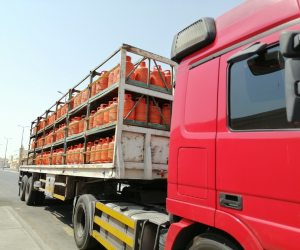
Use designated storage containers and racks for hazardous materials. For example, secure gas cylinders in an upright position with protective caps. Store flammable liquids in approved safety cans to minimize the risk of leaks and spills.
Ventilation
Ensure proper ventilation in the vehicle to prevent the buildup of fumes from flammable or volatile substances. A sealed truck bed can trap gases, creating a hazardous environment.
Labeling and Identification
Clearly label all hazardous materials with appropriate warning signs. This not only helps the worker but also assists first responders in case of an emergency.
Regular Maintenance and Inspections
Routinely inspect storage containers, cylinders, and equipment for signs of wear or damage. Replace compromised items immediately. Check for fuel or chemical leaks in the truck’s cargo area.
Fire Extinguishers
Carry a fire extinguisher rated for chemical and electrical fires. Ensure it is easily accessible and in working condition.
Avoid Overloading
Do not exceed the vehicle’s load capacity. Overloading can lead to instability and increase the risk of accidents.
Training and Awareness
Train workers on the proper handling and storage of hazardous materials.
The dangers posed by hazardous materials in construction trucks are significant but manageable with the right precautions. The Queens explosion serves as a sober reminder of what can go wrong when safety measures are neglected. By implementing proper storage, regular maintenance, and employee training, construction workers can protect themselves, their colleagues, and the public from unnecessary risks. Safety should never be an afterthought in an industry that deals with such volatile materials daily.

Leave a Reply
Want to join the discussion?Feel free to contribute!