Hazardous Winds: The Concealed Danger of High Winds on Construction Sites
In construction, wind poses more than just a nuisance; it’s a deadly force that can transform tools and materials into projectiles, collapse scaffolding, and lead to life-threatening incidents. Employees working at height are especially at risk, as winds can disrupt their balance and destabilize working surfaces. New England experiences severe wind events throughout the year, including tornadoes, microbursts, and high winds. These events have a significant impact on various sectors, most notably the construction industry.
On January 28, 2025, a four-story scaffolding collapse occurred at a construction site in Quincy, Massachusetts, at the intersection of Washington and Edison Streets. The incident, attributed to strong wind gusts, resulted in a substantial emergency response, but fortunately, no significant injuries were reported. Witnesses reported that two workers were on the third floor of the scaffolding when they felt it begin to give way beneath them. They managed to jump onto a balcony and safely evacuate without injury.
That same day, a two-story house under construction collapsed on Vine Street in the neighboring town of Weymouth. The accident claimed the life of 29-year-old Fall River resident Mario Diaz Obando and injured four other workers. High winds likely played a role in the collapse, as witnesses reported a sudden, forceful blast of wind just before it occurred.
These incidents serve as a sobering reminder of the dangers posed by unpredictable weather and underscore the critical importance of adhering to high wind construction safety protocols during adverse weather conditions. In this context, readiness and attentiveness are not just recommendations but essential safeguards.
Wind, unlike other weather-related hazards, is particularly hazardous due to its unpredictability. Construction sites are particularly vulnerable to high winds. A site may appear serene one minute, and then strong gusts can impact equipment, materials, and human stability seemingly without warning. Furthermore, wind speeds can vary significantly with elevation. The wind speed and strength of gusts at street level can differ significantly from those on the roof.
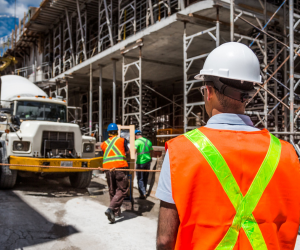
Construction site wind hazards can include:
- Flying debris and falling objects
- Strong winds can turn unsecured materials into lethal projectiles. Sheet materials like plywood, sheathing, and drywall can catch the wind and become airborne, resembling a lethal frisbee. Boxed or rolled materials, such as pipe and wall insulation, can be blown over or pushed around and fall onto workers. Granular materials, such as concrete and sand, can become airborne and cause injuries to the eyes and respiratory systems. Even tools, when working at height, run the risk of being thrown into the air, putting employees and bystanders in danger.
- Instability in Structure
- Particularly at risk are scaffolding, cranes, and partially built structures. Catastrophic failures may result from strong winds compromising the structural integrity of these elements.
- Powerlines
- High winds can cause power lines to sway, break, or collapse, increasing the risk of electrocution for workers nearby and emphasizing the importance of high winds construction safety. Downed or damaged lines may energize surrounding structures, scaffolding, or equipment, creating hidden electrical hazards. Strong gusts can also carry conductive materials, such as metal rods or scaffolding, into live power lines, leading to dangerous arc flashes or fires.
- Falls and Loss of Balance
- It can be challenging for workers on ladders, scaffolds, or aerial platforms to maintain their balance in strong gusts. A deadly fall can occur from even a slight change in wind speed.
- Equipment Failures
- Wind can interfere with the operation of heavy machinery, hindering precise operations and posing risks. For example, cranes have tight working limitations to prevent mishaps and pose an extreme construction site wind hazard.
Relevant Standards
- OSHA 1926.968 (Definitions) restricts working in ‘high winds’ (winds exceeding 40mph or 30mph if the work involves materials handling) and requires a risk evaluation by a qualified person.
- ANSI A92.22 (MEWP) Prohibits use of mobile elevating work platforms when winds exceed 28 mph unless the equipment is specifically rated for higher speeds.
- ASME B30.5 (Cranes) often uses 20-30 mph as a threshold for stopping operations.
- ANSI A10.8 (Scaffolding Safety Standard) states that scaffold work should typically be suspended when wind speeds exceed 25 mph, unless a competent person deems it safe.
For employees exposed to height-related hazards, OSHA 1926 Subpart M (Fall Protection Standards) requires Employers to provide fall protection, especially in conditions where wind increases the risk of falls from heights. employers must put in place extra safeguards like wind speed monitoring and early warning systems because strong winds can reduce the effectiveness of these systems.

Important Factors in High Winds Construction Safety
To mitigate construction site wind hazards, the following strategies should be used.
Play “What If”
Site Supervisors need to analyze their site, examining materials and equipment with a “what if” mindset to understand what could happen if an extreme wind event were to hit the site.
Training
Employees should receive training on how to identify wind threats and react accordingly. The value of being vigilant can be emphasized through safety exercises and ongoing education.
Securing Materials and Equipment
On a building site, everything that is loose poses a risk. The risk of flying debris can be reduced by routine inspections and securing procedures.
Keeping a Safe Distance
Maintain a safe distance from power lines, conduct regular inspections, and establish emergency protocols for severe weather conditions.
We can’t control the wind, but we can control how we react to it. By implementing proactive safety measures, adhering to equipment manufacturers’ guidelines, utilizing preventive measures such as material tie-downs and tool tethers, and fostering a culture of awareness, we can save lives and create a future where construction workers aren’t vulnerable to the unpredictability of wind. Contact Industrial Safety & Rescue’s safety professionals to book a site inspection and more!
Leave a Reply
Want to join the discussion?Feel free to contribute!