Fire Prevention: Protecting Lives, Property, and Workplaces
National Fire Prevention Week: October 5th–11th
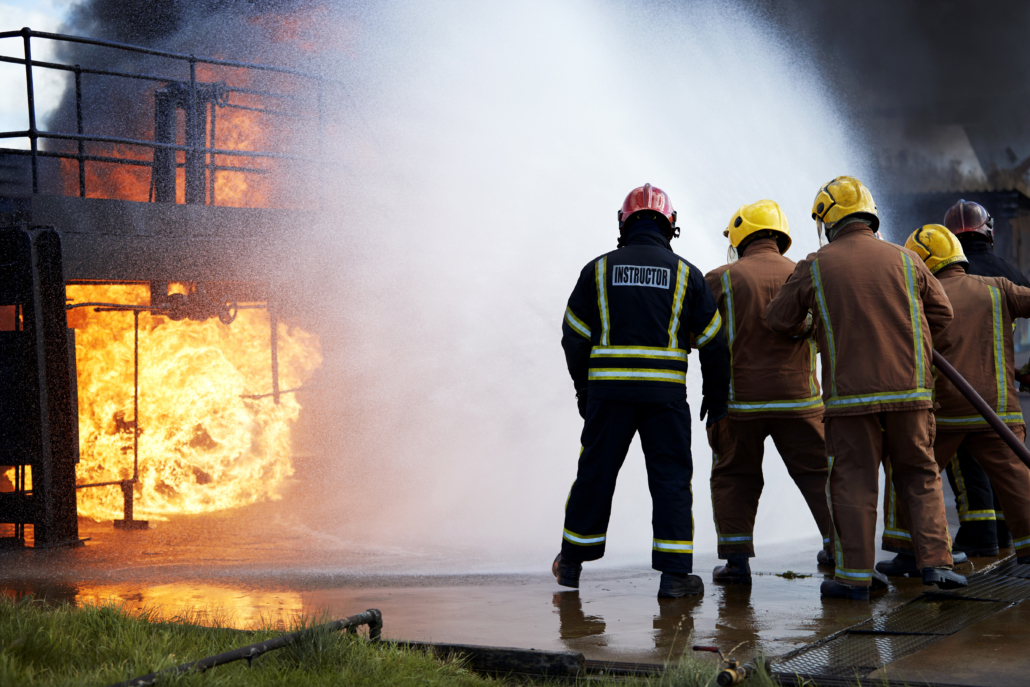
From 2017 to 2021, U.S. fire departments responded to an estimated 4,440 construction site fires each year, causing civilian deaths, injuries, and more than $370 million in property damage annually. Fire spreads in seconds—endangering people, property, and entire job sites. Understanding how fires start, spread, and can be safely contained is critical to preventing them.
Explore our Fire Extinguisher Training Programs to learn how to keep your workplace prepared.
Why Fire Extinguisher Training Matters
A 2012 study found that only 40% of the general public could use a fire extinguisher correctly. That statistic highlights the importance of hands-on fire extinguisher training as part of every workplace safety program.
Aligned with OSHA guidelines and NFPA standards, training helps workers recognize hazards, respond quickly, and operate extinguishers effectively—saving both lives and property in emergencies.
Top 5 Causes of Workplace Fires
- Defective Equipment: Loose wiring, overloaded circuits, and overheated machinery.
- Cooking Equipment: Faulty or unattended appliances.
- Cluttered Workspaces: Grease, dust, and poor ventilation increase fire risk.
- Flammable Materials: Improperly stored paper, wood, or chemicals act as fuel.
- Carelessness: Untrained staff or neglected fire safety procedures.
Training empowers employees to identify risks early, use extinguishers properly, and react calmly under pressure.
Understanding the Fire Triangle
Fire requires three elements—heat, fuel, and oxygen. Remove one, and the fire is extinguished. Extinguishers work by cooling (removing heat), smothering (removing oxygen), or interrupting the chemical reaction.
Different fires require different extinguishers, which is why reading the label and matching the extinguisher to the fire type is crucial.
Classes of Fires and Matching Extinguishers
| Fire Class | Type of Material | Recommended Extinguisher |
|---|---|---|
| Class A | Wood, paper, cloth | Water or multipurpose dry chemical |
| Class B | Flammable liquids (oil, gasoline) | CO₂ or dry chemical |
| Class C | Electrical equipment | CO₂ or dry chemical |
| Class D | Combustible metals (magnesium, titanium) | Special powder extinguisher |
| Class K | Cooking oils and fats | Wet chemical extinguisher |
Learn about OSHA Safety Training to ensure compliance with fire prevention standards.
Life-Saving Fire Safety Acronyms
R.A.C.E.
- Rescue anyone in immediate danger.
- Alarm by activating alarms or calling 911.
- Contain the fire by closing doors.
- Extinguish or Evacuate depending on conditions.
P.A.S.S. (Using a Fire Extinguisher)
- Pull the pin.
- Aim low at the base of the fire.
- Squeeze the handle.
- Sweep side to side.
Remember: if a fire is spreading rapidly, visibility is poor, or exits are blocked—evacuate immediately and let professionals respond.
Workplace Fire Statistics
- Offices and Retail: ~16,500 fires annually causing $932M in damages.
- Industrial & Manufacturing: ~36,700 fires annually.
- Warehouses: ~1,500 fires annually.
That’s over 55,000 workplace fires each year, or roughly 150 fires every day. OSHA estimates even higher numbers when including unreported incidents and near misses.
The Importance of Escape Routes
A safe evacuation depends on clear, accessible exits that meet OSHA standards:
- Minimum width: 28 inches.
- Minimum ceiling height: 7 ft. 6 in.
- Exit doors must swing in the direction of travel when more than 50 occupants or hazardous materials are present.
Blocked exits or poor signage can quickly turn an incident into tragedy. Regular fire drills help ensure every worker knows how to evacuate safely.
Building a Proactive Fire Prevention Plan
A strong workplace fire prevention plan includes:
- Identifying and addressing fire risks.
- Safe handling of combustible materials.
- Routine inspection and maintenance of equipment.
- Regular employee fire extinguisher training.
- Clear emergency roles and responsibilities.
View our Fire Extinguisher Training Options available onsite or at our Westwood, MA facility.
Hands-On Fire Extinguisher Training: Why It Works
Live fire extinguisher training combines classroom education with practical exercises using controlled flames. Employees gain firsthand experience in recognizing fire types, using extinguishers properly, and understanding heat radiation.
Training participants report higher confidence, faster reaction times, and improved teamwork during emergencies.
Key Benefits:
- Saves lives in emergencies.
- Reduces or prevents property damage.
- Meets legal and insurance requirements.
- Strengthens overall emergency preparedness.
Contact Industrial Safety & Rescue to schedule fire extinguisher training for your team.
Leave a Reply
Want to join the discussion?Feel free to contribute!