The Evolution of Head Protection: Helmets vs. Hard Hats
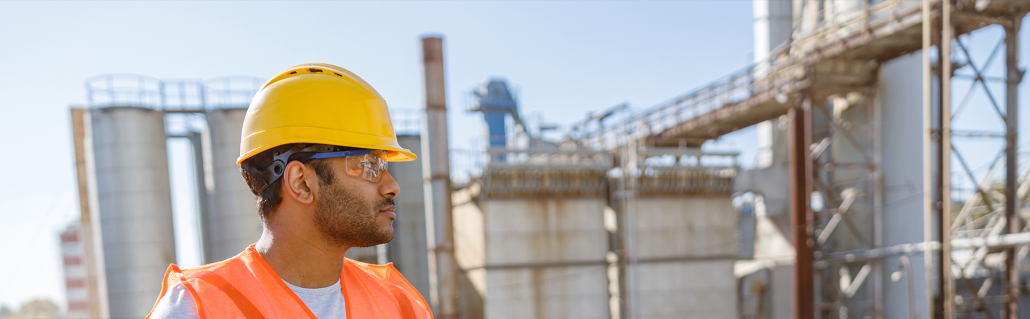
The construction site landscape is changing. Where once the familiar silhouette of the traditional hard hat dominated skylines, a new generation of modern safety helmets is taking over. Sleeker, more comprehensive, and technologically advanced, these helmets are redefining what it means to protect workers in construction and industrial environments.
This transition represents more than just an equipment upgrade—it’s a fundamental shift in how we approach worker protection and safety standards. With traumatic brain injuries accounting for roughly 25% of all construction fatalities, the choice between hard hats and helmets has become a matter of life and death.
Explore our Safety Training Programs to ensure your team understands the latest PPE and OSHA standards.
Hard Hats: Reliable, But Limited
Introduced in 1919, the traditional hard hat features a rigid shell and suspension system designed to absorb impact from objects falling directly above. Hard hats have proven effective for decades, particularly in environments where vertical impacts are the primary risk. Their low cost and familiarity make them a staple across industries.
However, their design has remained largely unchanged for over a century—and with that comes limitations. Hard hats are not engineered to protect against side, front, or rear impacts, which account for up to 30% of workplace head injuries. As worksites evolve, these traditional designs no longer meet every modern hazard.
Modern Safety Helmets: The Next Generation of Protection
Modern helmets improve on nearly every aspect of traditional headgear. They fit closer to the head, include chin straps for stability, and are made with lightweight yet durable materials. More importantly, they meet Type II ANSI/ISEA Z89.1 standards, providing protection from top, front, side, and rear impacts.
This distinction is critical. Type I hard hats protect only from direct vertical impact. Type II helmets, however, protect from multiple directions—ideal for high-risk tasks like work at height, operating near moving equipment, or rescue operations.
Learn more about our OSHA Safety Training and how it reinforces compliance with ANSI and OSHA head protection standards.
OSHA’s Shift Toward Helmets
In December 2023, OSHA transitioned its own field staff from hard hats to helmets, citing better overall protection for high-risk environments. The agency now recommends helmets for workers in construction, oil and gas, electrical, and rescue operations. This move has accelerated adoption in both public and private sectors across the U.S.
Advantages Beyond Impact Protection
Modern safety helmets offer far more than impact resistance. They’re built for comfort, durability, and integration with other PPE systems.
- Secure Fit: Chin straps prevent helmets from falling off during movement or falls.
- Comfort: Padded interiors, improved ventilation, and better weight balance reduce fatigue.
- Versatility: Integrate with visors, earmuffs, face shields, or headlamps.
- Durability: Advanced materials extend lifespan and withstand extreme temperatures.
In one industry survey, 60% of workers reported discomfort with hard hats in heat, while helmets with advanced ventilation reduced removal during work by 35%.
Cost vs. Value
Helmets typically cost $65–$150, about two to three times the price of a standard hard hat. But when compared to the potential cost of even one brain injury—medical care, lost time, and insurance claims—the investment is minimal. Many companies also find helmets last longer and improve compliance, offsetting the upfront cost.
Where Helmets Excel
While hard hats remain suitable for low-risk environments, helmets outperform them in:
- Height work: Prevents dislodgment in falls or sudden movements.
- Proximity to moving equipment: Provides side-impact protection.
- Rescue operations: Multi-directional defense in unpredictable hazards.
- Electrical and arc flash work: Class E-rated helmets offer specialized resistance.
See how our Confined Space and Rescue Training programs incorporate advanced PPE and head protection standards.
Looking Ahead: Smart Safety Helmets
The evolution from hard hats to helmets is only the beginning. Future helmet designs will likely include integrated communication systems, environmental sensors, and impact detection technology. As materials advance, helmets will continue to become lighter, stronger, and more comfortable—without compromising safety.
The move toward modern safety helmets is both a practical and moral imperative. Protecting workers’ heads means protecting their lives. Choosing the right gear isn’t just about comfort or cost—it’s about ensuring everyone returns home safely at the end of the day.
Contact Industrial Safety & Rescue to learn how to integrate modern head protection into your training and safety programs.
Leave a Reply
Want to join the discussion?Feel free to contribute!