Fire Prevention on the Jobsite: Construction Site Fire Safety Tips
For New England contractors, construction site fire prevention means more than keeping fire extinguishers nearby and following hot-work permits. Underground gas and electrical utilities, changing excavation conditions, temporary power, and heavy equipment can turn an ordinary workday into an emergency.
Every October, Fire Prevention Week provides an opportunity to review jobsite hazards and strengthen safety practices. Construction sites change daily as equipment moves, temporary power is installed, fuels arrive, and crews begin new tasks.
For underground utility contractors, one of the most serious hazards may lie just inches below the work area: an energized electrical cable or pressurized gas line.
Construction site fire prevention involves identifying potential ignition sources, controlling combustible materials, protecting underground utilities, inspecting equipment, and preparing workers to respond safely to emergencies.
Preventing a fire starts long before smoke appears.
Why Is Fire Prevention Important on Construction Sites?
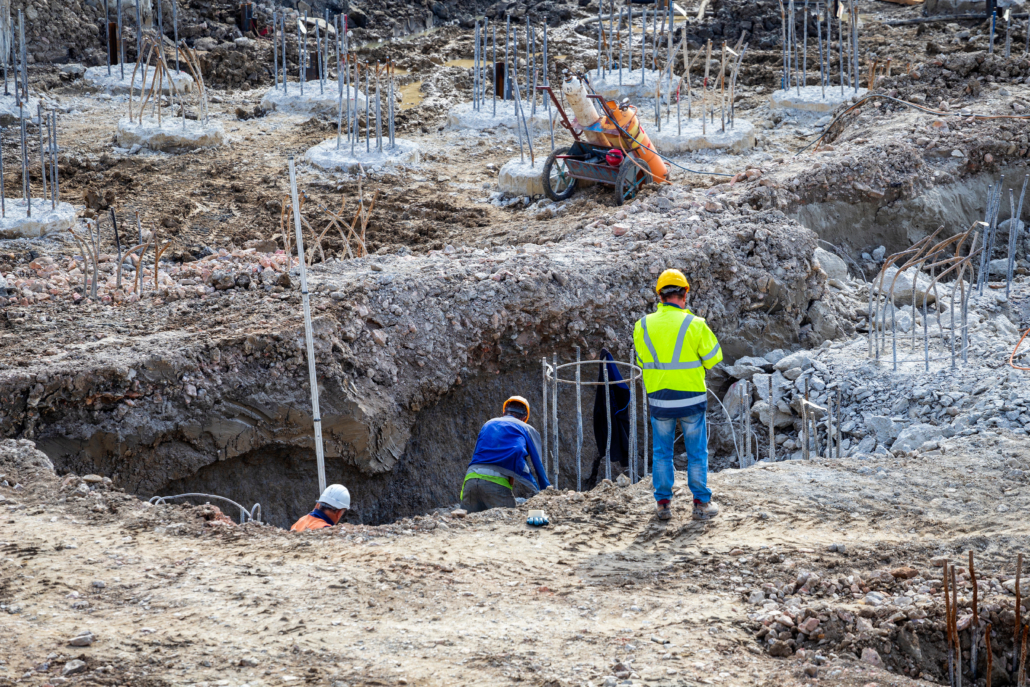
Construction sites contain a combination of fire hazards that can change throughout the workday. Unlike permanent facilities, jobsites frequently introduce new equipment, materials, and working conditions.
Common construction fire hazards include:
- Underground utilities: Damaging natural gas lines or energized electrical cables can create serious fire and explosion risks.
- Hot work: Welding, cutting, brazing, and grinding can generate sparks and heat near combustible materials.
- Temporary electrical systems: Damaged cords, exposed wiring, and overloaded circuits can create ignition hazards.
- Fuel and equipment: Generators, excavators, and other machinery may introduce combustible liquids, hot exhaust, and electrical energy.
- Temporary heating: Portable heaters can ignite nearby materials or create carbon monoxide hazards.
- Poor housekeeping: Dry vegetation, construction debris, and improperly stored fuels can increase fire risks.
Understanding these hazards helps contractors develop effective fire prevention procedures before work begins.
Real-World Lessons: Two Massachusetts Utility Incidents
Recent Massachusetts incidents demonstrate why underground utility hazards deserve attention in every construction fire prevention discussion.
Needham Natural Gas Explosion: November 2023
On November 4, 2023, a contractor performing gas service work at a Needham home damaged an active natural gas line during excavation.
Escaping gas entered the home and ignited minutes later, causing an explosion and fire. The house was destroyed, and a worker was injured.
The Massachusetts Department of Public Utilities investigated the incident.
Quincy Construction Site Explosions: October 2025
On October 21, 2025, a series of explosions occurred at a Quincy road construction site near Southern Artery and Broad Street while crews performed water and sewer work.
A utility worker in the trench was injured. Police reported that investigators were examining whether an underground electrical line had been struck, although initial reporting did not establish the cause.
These incidents highlight an important lesson: Working on one utility can expose crews to hazards involving another.
Contractors must evaluate the surrounding work area, verify underground utilities, and prepare crews to respond to unexpected conditions.
How Can Contractors Prevent Underground Utility Strikes?
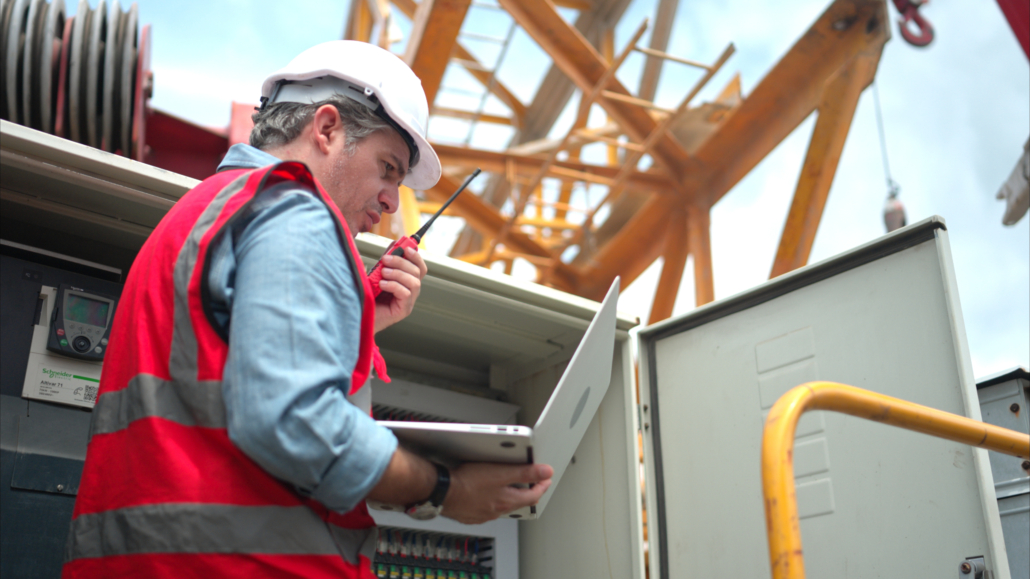
Identifying underground utilities is both a damage-prevention requirement and an important construction site fire prevention measure.
Before excavation begins, contractors should:
- Contact Dig Safe: Submit required notifications before excavation and allow the applicable marking process to be completed.
- Review utility records: Identify known gas, electric, water, sewer, and communications infrastructure.
- Verify markings: Remember that utility markings indicate approximate locations, not guaranteed depths or exact positions.
- Discuss hazards during pre-task meetings: Make sure operators and ground personnel understand nearby utilities.
- Use appropriate exposure methods: Follow applicable tolerance-zone requirements and use non-destructive methods when required.
- Stop work when conditions change: Investigate unexpected pipes, cables, or discrepancies between markings and actual conditions.
Existing services, abandoned lines, and private facilities may not be fully represented by public utility markings.
Contractors should coordinate with utility owners before performing work that could affect live infrastructure.
What Should Workers Do After Striking a Gas or Electrical Line?
A utility strike is an emergency, not an opportunity for an immediate field repair.
The first moments after a strike are critical to protecting workers, nearby residents, and emergency responders.
If a Gas Line Is Damaged
- Stop work immediately.
- Move workers and bystanders away from the affected area.
- Call 911 and notify the utility owner from a safe location.
- Avoid operating switches, starting vehicles, or using equipment near escaping gas.
- Do not attempt to operate damaged gas valves unless specifically authorized, trained, and safe to do so.
- Evacuate nearby structures when warranted.
- Allow emergency responders and utility personnel to control the scene.
If an Electrical Line Is Damaged
- Stop work and warn others to remain clear.
- Treat damaged electrical infrastructure and potentially affected equipment as energized.
- Do not enter the excavation or touch affected equipment.
- Contact emergency services and the electrical utility.
- Keep personnel away until the utility has confirmed that the area is safe.
A site-specific emergency response plan should clearly identify who contacts emergency services, who accounts for personnel, and who prevents unauthorized access.
For projects involving below-grade work, contractors should also evaluate whether confined space rescue services and emergency response planning are necessary.
Hot Work Safety: Controlling Sparks and Ignition Sources
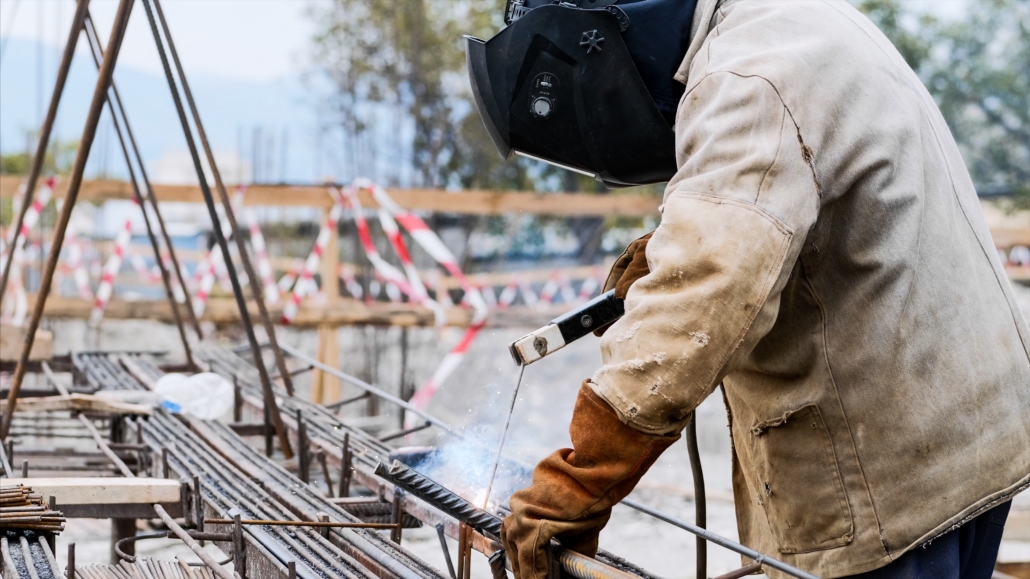
Welding, cutting, brazing, soldering, and grinding are common construction activities that introduce potential ignition sources.
Near underground utilities, hot work requires additional consideration of gas migration, adjacent services, and below-grade spaces where flammable atmospheres may accumulate.
Hot Work Fire Prevention Checklist
Before beginning hot work:
- Inspect the surrounding area for combustible materials.
- Identify nearby gas and electrical utilities.
- Evaluate atmospheric hazards where applicable.
- Remove or protect combustible materials.
- Provide appropriate fire extinguishing equipment.
- Establish a fire watch when required.
- Inspect welding and cutting equipment.
- Reevaluate conditions whenever the work environment changes.
A hot-work permit should represent an actual safety inspection rather than simply a completed form.
OSHA 29 CFR 1926.352 addresses welding and cutting fire prevention, including additional personnel to guard against fires when normal precautions are inadequate.
Preventing Fires From Temporary Power, Fuel, and Heavy Equipment
Generators, compressors, pumps, saws, and excavators introduce electrical energy, heat, and combustible liquids into changing construction environments.
Routine equipment inspections are an essential part of jobsite fire safety.
Contractors should:
- Inspect temporary electrical cords and connections for damage.
- Protect temporary wiring from vehicle traffic, water, and mechanical damage.
- Keep generators and hot exhaust away from fuel containers, debris, and vegetation.
- Follow manufacturer instructions for safe equipment refueling.
- Inspect machinery for leaking fuel, oil, and hydraulic fluid.
- Report unusual odors, overheating, or damaged electrical components.
- Remove combustible debris from equipment and surrounding work areas.
Workers moving between multiple construction sites should perform inspections regularly rather than assuming that equipment remains safe from one location to the next.
Temporary Heating and Seasonal Fire Hazards in New England
As October brings colder mornings across Massachusetts and the rest of New England, construction crews may begin using temporary heaters in trailers, buildings, and enclosed work areas.
Temporary heating equipment can create fire hazards when improperly installed, operated, or maintained.
Before using heaters:
- Inspect equipment for damage.
- Maintain manufacturer-required clearances.
- Provide appropriate ventilation.
- Store fuel in approved locations and containers.
- Keep combustible materials away from heating equipment.
- Evaluate carbon monoxide exposure from fuel-fired heaters.
OSHA 29 CFR 1926.154 addresses temporary heating devices on construction sites.
Seasonal conditions can also increase outdoor fire risks. Dry leaves, brush, and construction debris may ignite when exposed to hot exhaust, welding sparks, or improperly positioned heating equipment.
Keep access routes clear so emergency responders can reach the work area when necessary.
Fire Extinguishers and Emergency Preparedness
Portable fire extinguishers are important safety equipment, but they are not a substitute for identifying and controlling construction fire hazards.
An extinguisher cannot make an uncontrolled natural gas leak or energized electrical cable safe.
Workers should only attempt to extinguish a fire when:
- The fire is small and in its earliest stage.
- The appropriate extinguisher is available.
- They have received the necessary training.
- A clear escape route remains accessible.
- The situation does not involve an uncontrolled utility release or other conditions requiring evacuation.
Never delay evacuation to fight a spreading fire.
OSHA 29 CFR 1926.150 requires employers to establish fire protection programs during construction and maintain accessible firefighting equipment.
As work zones move, contractors should verify extinguisher locations, inspection status, and emergency access routes.
Incorporating Fire Prevention Into Daily Job Safety Analyses
A Job Safety Analysis (JSA) helps crews identify hazards and establish appropriate controls before work begins.
For underground utility contractors, two questions should be part of every pre-task discussion:
- What could ignite a fire in this work area?
- What underground utility could be damaged during this task?
Crews should reassess hazards whenever:
- Excavation boundaries change.
- New subcontractors arrive.
- Equipment is repositioned.
- Work approaches marked utilities.
- Unexpected underground conditions are discovered.
- New ignition sources or combustible materials are introduced.
Fire prevention depends on every worker recognizing and reporting hazards.
An excavator operator may identify an unexpected pipe, a laborer may discover an unmarked cable, or a welder may notice nearby combustible materials.
Strong communication, stop-work authority, and effective emergency planning help crews respond before hazards become incidents.
Contractors can also strengthen jobsite preparedness through industrial safety training and emergency response programs.
Fire Prevention Week: Construction Site Safety Checklist
Use this checklist during Fire Prevention Week toolbox talks and throughout the year.
- Confirm Dig Safe notifications and underground utility markings.
- Review required utility exposure methods.
- Discuss utility-strike emergency response procedures.
- Verify emergency contact numbers and assembly locations.
- Identify gas and electrical hazards near excavation areas.
- Inspect temporary wiring, generators, and equipment.
- Review hot-work permits and fire-watch responsibilities.
- Remove combustible debris and dry vegetation.
- Inspect temporary heating equipment and ventilation.
- Check equipment for fuel, oil, and hydraulic-fluid leaks.
- Locate and inspect fire extinguishers.
- Maintain clear emergency access routes.
- Include changing utility conditions in daily JSAs and toolbox talks.
Frequently Asked Questions About Construction Site Fire Prevention
What are the most common fire hazards on construction sites?
Common construction fire hazards include welding and cutting operations, damaged electrical wiring, temporary heating equipment, combustible materials, fuel storage, and malfunctioning machinery. Underground gas and electrical utilities can create additional hazards during excavation.
How can construction workers prevent fires on the jobsite?
Workers can help prevent construction fires by inspecting equipment, controlling ignition sources, maintaining clean work areas, following hot-work procedures, identifying underground utilities, and reporting unsafe conditions. Daily safety meetings help crews recognize hazards before work begins.
What does OSHA require for construction site fire prevention?
OSHA requires employers to establish appropriate construction fire protection programs and provide firefighting equipment under 29 CFR 1926.150. Additional regulations address fire prevention, flammable liquids, temporary heating, and welding and cutting operations. Applicable requirements depend on the work being performed.
Why are underground utilities a fire hazard during excavation?
Underground gas and electrical utilities can create fire or explosion hazards when damaged. A gas line strike may release flammable gas, while damaged energized electrical equipment can introduce electrical hazards and potential ignition sources. Proper utility identification and safe excavation practices help reduce these risks.
How often should construction crews review fire prevention procedures?
Crews should review relevant fire hazards during daily pre-task meetings and whenever site conditions change. Additional reviews may be necessary when new equipment, subcontractors, utilities, or ignition sources are introduced.
Prevention Starts Before the Smoke
Construction work will always involve changing conditions, but underground utility strikes and preventable fires should never be treated as routine occupational risks.
The Needham and Quincy incidents remind contractors of the importance of verifying underground utilities, controlling ignition sources, and preparing crews to respond when unexpected hazards arise.
During Fire Prevention Week and throughout the year, effective construction site fire prevention means recognizing risks before an emergency begins.
Strengthen Your Jobsite Safety With Industrial Safety & Rescue
At Industrial Safety & Rescue, we help contractors, utility companies, and industrial facilities strengthen workplace safety through professional safety training, rescue services, and emergency preparedness support.
Whether your team needs confined space training, emergency response planning, or additional jobsite safety support, our experienced professionals can help you prepare for high-risk work environments.
Contact Industrial Safety & Rescue today to learn more about our safety training and rescue services.