In the Zone: The importance of setting up a proper Work Zone
The spring and summer months bring warmer temperatures, longer days and of course, roadside construction projects. These projects called Work Zones are crucial for maintaining and improving infrastructure, yet they pose significant risks to both drivers and workers. Recognizing this, National Work Zone Awareness Week (April 21-25) provides educational materials and activities to raise public awareness.
Every year, hundreds of workers and motorists lose their lives in work zones across the country. In Massachusetts alone, multiple tragic incidents in 2024 serve as stark reminders of the risks present in roadside construction sites.
- April 26, 2024 – Billerica: Sergeant Ian Taylor, a 49-year-old officer with the Billerica Police Department, tragically lost his life after being struck by an excavator while assisting a tractor-trailer at a road construction site on Boston Road (Route 3A).
- December 23, 2024 – Duxbury: A driver was fatally injured in a crash within an inactive construction zone on Route 3. The vehicle collided with a guardrail near the Franklin Street underpass, resulting in the driver’s ejection and subsequent death at the scene.
- October 6, 2024 – Boston: Two roadway workers sustained serious injuries when a driver, allegedly under the influence, entered a work zone on I-90 near the Beacon Street Overpass and struck an elevated lift holding the workers.
These incidents highlight the critical importance of safety measures in and around road construction zones to protect both workers and the public.

Federal Highway Administration (FHWA) – sets nationwide standards through the Manual on Uniform Traffic Control Devices (MUTCD), which provides guidelines for traffic control in work zones. A properly planned and executed Work Zone and traffic management system, helps to keep everyone safe. Ultimately, ensuring safety in these areas is a shared responsibility. Both drivers and workers must remain alert and follow established guidelines to prevent further tragedies.
Designing Work Zones Properly to Ensure Safety
A well-designed work zone is set up to minimize risks and give drivers unambiguous instructions. The following are essential components of a successful work zone design:
- Advance warning signs let drivers know when conditions on the road will change so they may reduce their pace and get ready for lane changes or detours.
- Traffic Control Devices: Flashing lights, barricades, and cones aid in safely guiding vehicles through or around the construction area.
- Clear Lane Markings: By ensuring that cars stay on approved routes, temporary lane markers lower the chance of incidents.
- Safe Work Areas for Employees: It is safer for employees to have enough room to work without being hampered by moving cars.
- Speed Reduction Measures: In work zones, high-speed traffic accidents can be avoided with the deployment of speed limit signage and enforcement.
In Massachusetts, the initial line of protection for both drivers and road workers is provided by a police traffic detail but the MassDOT also allows for the use of Flaggers when a detail is unavailable. Among their duties are:
- Traffic Flow Control: Flaggers safely direct cars through work zones using hand gestures and established signals.
- Communicating with Workers: Construction workers can work safely if they are aware of approaching vehicles.
- Responding to Emergencies: Skilled flaggers are able to act quickly in the event of an accident or dangerous circumstance, assisting in the prevention of additional accidents.
- Improving Driver Awareness: When driving through work zones, drivers are reminded to stay vigilant and watchful by a visible and authoritative presence.
Effective traffic management plays a crucial role in maintaining safety within work zones, ensuring the smooth flow of traffic and protecting both workers and the public. Where officers on traffic detail have their recognized authority and experience in challenging roadway circumstances to help keep motorist in check, a flagger only has competence and skill. Recognizing the importance of standardized training for these essential personnel, both the Massachusetts Department of Transportation (MassDOT) and the National Safety Council (NSC) have established comprehensive flagger certification programs.
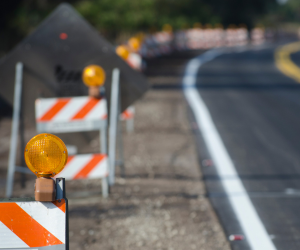
In Massachusetts, the use of road flaggers and police details on public works projects is governed by 700 CMR 6.00. This regulation aims to ensure the safety of pedestrians, motorists, bicyclists, and workers on or near public works projects by effectively utilizing traffic control devices, road flaggers, and police details.
To uphold these safety standards, MassDOT has the authority to approve certification programs that allow external entities to certify flaggers for work on Commonwealth roadways. The MassDOT Certification Program encompasses several key components, including training in construction zone safety, traffic control, and first aid. Flaggers must successfully complete a MassDOT-approved certification program and carry a valid certification card at all times while on duty.
The program also maintains a list of approved flagger certification programs, ensuring that training providers meet the necessary standards and guidelines.
The Federal Highway Administration (FHWA) reports that driver confusion, speeding, or disregard for instructions are frequently the causes of construction zone collisions. Everyone can travel on safer roads by reducing these dangers by putting best practices in work zone design into practice.
It is impossible to overestimate the significance of a well-designed work area and effective traffic control either with a police detail or trained flaggers. Investing in work zone safety improves overall road efficiency and dependability in addition to saving lives. Setting these components as a top priority is a collective duty that benefits the community as a whole. By prioritizing safety, enforcing strict training standards, and fostering public awareness, we can drastically reduce injuries and fatalities in work zones. The responsibility falls on all of us—workers, motorists, and policymakers alike—to ensure these areas remain as safe as possible.
Leave a Reply
Want to join the discussion?Feel free to contribute!